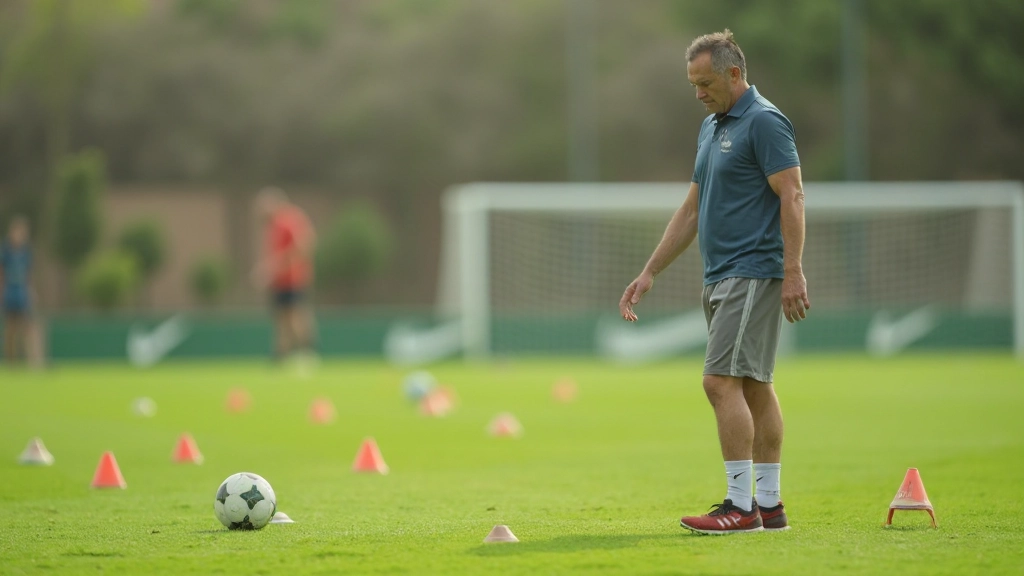
Tactical Positioning and Field Awareness
Learn fundamental tactical principles for improving player positioning, spatial awareness, and decision-making during match situations through structured training exercises.
Read MoreComprehensive resources on soccer coaching methods, athletic performance development, and professional training techniques. Explore evidence-based approaches to improve player conditioning, tactical understanding, and competitive readiness through structured training programs.
Learn fundamental tactical principles for improving player positioning, spatial awareness, and decision-making during match situations through structured training exercises.
Read More
Explore evidence-based conditioning methodologies designed to develop cardiovascular fitness, muscular endurance, and injury prevention strategies for competitive soccer players.
Read More
Understand modern approaches to analyzing player performance through video review, identifying tactical patterns, and implementing data-driven training adjustments for continuous improvement.
Read More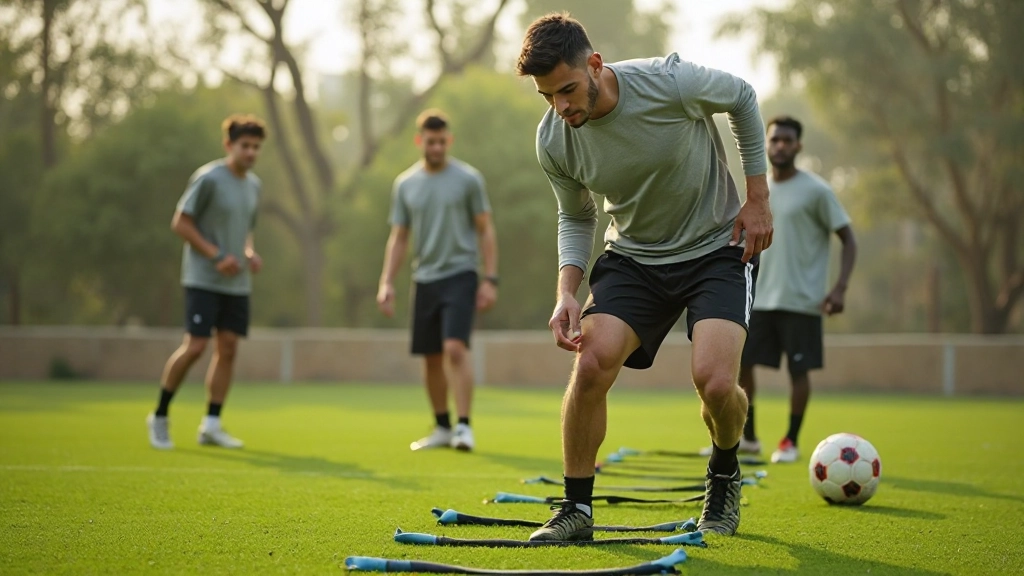
Examine progressive training frameworks for developing young soccer players, emphasizing fundamental technical skills, decision-making abilities, and age-appropriate physical development.
Read More
Explore comprehensive approaches to injury prevention, recovery protocols, and return-to-play guidelines based on sports science research and professional training experience.
Read More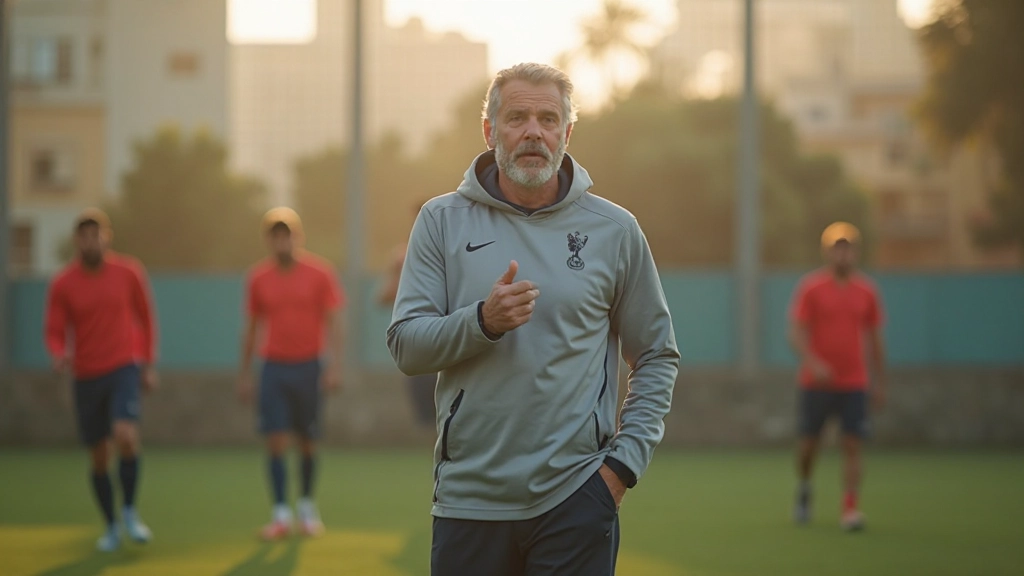
Learn methodologies for structuring effective team training sessions, developing team cohesion, and implementing tactical systems through organized group practice activities.
Read MoreEffective soccer training programs are built upon established principles from sports science and professional coaching experience. Understanding these foundational concepts helps coaches develop structured, progressive training approaches that support player development across all levels.
Systematically increasing training intensity, volume, and complexity to continue challenging players and promoting physiological adaptations and skill development over time.
Designing training activities that closely replicate match demands, ensuring that players develop skills and fitness attributes directly applicable to competitive soccer performance.
Organizing training into structured phases that balance skill development, physical conditioning, and recovery to optimize performance during competitive seasons.
Evaluating each player's current fitness level, technical abilities, and development needs to provide personalized training recommendations and appropriate progression pathways.
A well-rounded soccer training program integrates multiple components that collectively develop the physical, technical, tactical, and mental attributes required for competitive performance. Each component serves specific purposes in player development.
Development of ball control, passing accuracy, shooting technique, and first-touch abilities through repetitive practice and progressive difficulty increases.
Training players to understand positional responsibilities, movement patterns, defensive organization, and offensive principles through structured game scenarios and analysis.
Building aerobic capacity, anaerobic power, agility, strength, and flexibility through targeted exercises designed for soccer-specific movement patterns and demands.
Fostering concentration, decision-making confidence, resilience, and team communication through training environments that simulate competitive match pressures and situations.
Specialized training for corner kicks, free kicks, and throw-ins, including both attacking execution and defensive organization through repeated practice and tactical variation.
Structured activities that prepare players for competitive matches, including tactical reviews, warm-up protocols, and mental preparation strategies before games.