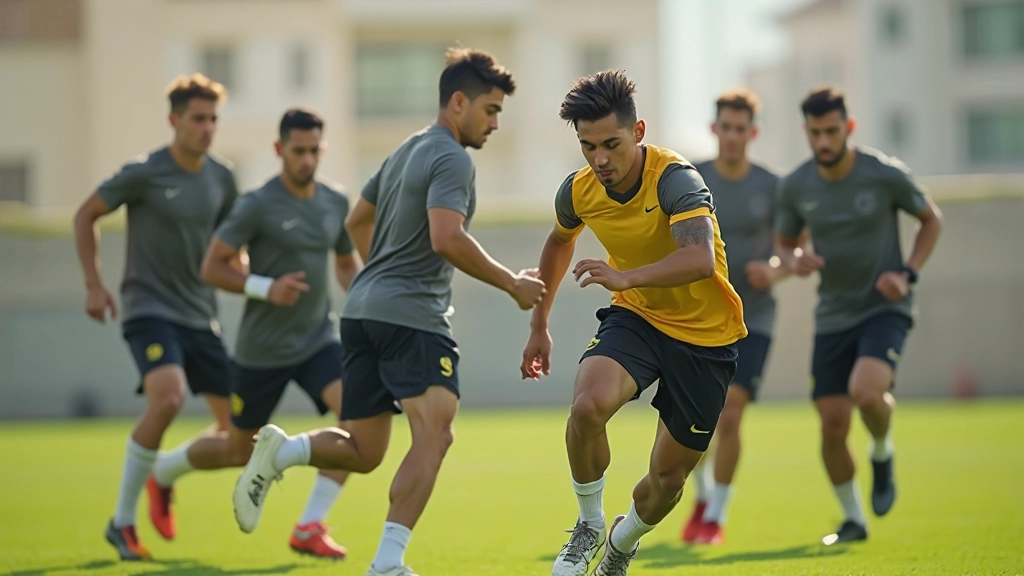
Tactical Positioning and Field Awareness
Understanding spatial positioning and environmental awareness forms the foundation of modern football. This comprehensive guide explores the principles and methodologies that help players make informed decisions in dynamic match situations through structured training approaches.
Understanding Positional Principles
Tactical positioning in football involves understanding how players should occupy space relative to teammates, opponents, and the ball. This foundational concept shapes how teams maintain structure during possession and defensive phases. Effective positioning enables teams to control territory, create passing options, and limit opponent opportunities.
The principle of positioning extends beyond individual placement—it encompasses the collective spatial organization that defines team structure. When players understand their positional responsibilities, the entire team benefits from improved cohesion and tactical discipline. This understanding develops through repeated exposure to positional scenarios and deliberate practice focused on spatial awareness.
Core Positioning Concepts:
- Distance management between players (positioning triangles and diamonds)
- Depth organization to create defensive stability
- Width utilization for attacking space creation
- Compactness to reduce spaces available to opponents
- Pressing angles based on ball position and movement
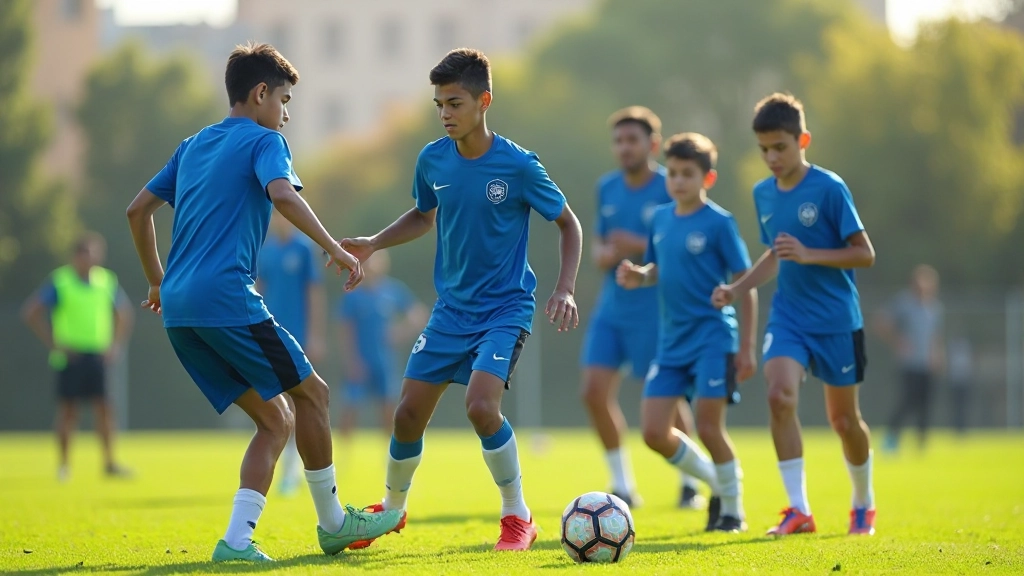
Developing Field Awareness
Field awareness represents the cognitive ability to process information about player positioning, ball location, space availability, and opponent movement simultaneously. This skill develops through exposure to varied match scenarios and structured training that emphasizes environmental scanning and decision-making speed.
Visual Scanning Patterns
Players develop effective scanning techniques through deliberate practice. Regular head movements that check positioning of teammates, opponents, and available space become habitual during matches. Training sessions emphasizing this behavior reinforce neural pathways associated with environmental awareness.
Spatial Recognition
Understanding distance relationships between players and the ball enables quick positional adjustments. Players learn to estimate spaces, anticipate movement patterns, and position themselves proactively rather than reactively. This cognitive mapping develops through repeated exposure and pattern recognition training.
Decision-Making Speed
The ability to process information quickly and make positioning decisions becomes critical in high-pressure situations. Training programs that increase cognitive load and decision complexity help players develop faster response times and more accurate spatial judgments during actual match play.
Educational Information
This content provides educational information about football training methodologies and tactical concepts. Individual results and application outcomes vary based on numerous factors including training intensity, player experience level, coaching quality, and physical capabilities. Training programs should be adapted to specific team contexts and player development stages. Consult with qualified football coaching professionals before implementing new training systems to ensure appropriateness for your specific situation and population.
Training Approaches for Positional Development
Effective training for positional awareness integrates tactical concepts into realistic game scenarios. Rather than isolated drill-based practice, modern approaches emphasize small-sided games, constraint-based activities, and deliberate scenarios that replicate match demands while allowing coaches to emphasize specific positional principles.
Possession Maintenance Activities
Small-sided possession games (5v5 to 8v8) with emphasis on maintaining shape develop positional discipline. Players learn optimal spacing through repeated practice where maintaining distance and angles directly impacts success. These activities naturally reinforce concepts of depth, width, and compactness without explicit instruction for every movement.
Defensive Shape Drills
Structured activities focusing on defensive organization help players understand pressing triggers, coverage responsibilities, and spatial relationships. Games where players defend against numerical disadvantages or advantage scenarios develop adaptability and quick decision-making related to positioning adjustments.
Transition Scenarios
Training sequences emphasizing rapid transitions between defensive and attacking phases expose players to dynamic positioning changes. These activities simulate match realism where players must adjust positioning based on quick changes in ball possession and game state. Transition training develops the adaptive positioning required during competitive matches.
Video Analysis Integration
Reviewing match footage to identify positioning strengths and areas for improvement enhances learning. Players develop pattern recognition capabilities by observing successful and unsuccessful positioning in actual match contexts. Video review combined with tactical discussion accelerates the development of positional understanding.
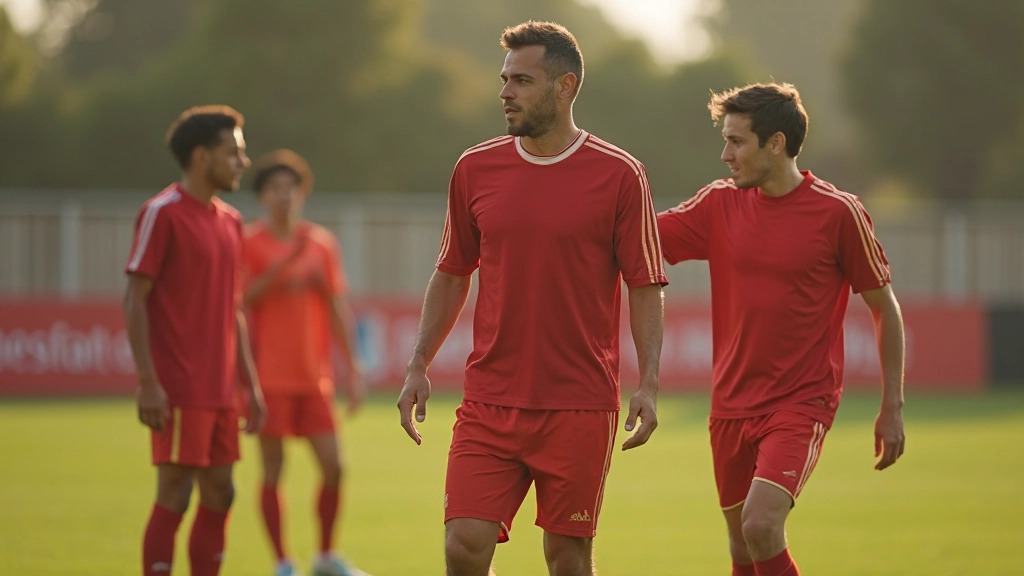
Progressive Development Framework
Positional and awareness development follows a progression from foundational understanding to sophisticated application. Early training emphasizes basic positional concepts and simple spatial relationships. As players develop, training complexity increases to incorporate multiple simultaneous demands and higher decision-making requirements.
Youth players typically begin with individual positioning basics—understanding their specific role and immediate responsibilities. Progressive development introduces collective organization, where players understand how their positioning relates to teammates. Advanced development emphasizes adaptability, where players adjust positioning based on match dynamics, opponent behavior, and tactical intentions.
Consistent exposure to varied scenarios accelerates development. Players who experience different opponent formations, pressing styles, and attacking approaches develop more flexible positional understanding. Coaches who deliberately expose players to new situations and challenges facilitate more comprehensive positional learning than those who focus on repetition of familiar patterns.
Applying Positional Concepts in Match Situations
The ultimate purpose of positional training is improving performance during actual competition. Match situations present unique challenges where players must apply learned concepts under pressure, fatigue, and opponent resistance. Coaches facilitate this application by progressively increasing training demands and incorporating realistic match pressures into preparation activities.
Key Implementation Areas:
Successful application requires integration of positional concepts into team tactical systems. Players must understand not only their individual positioning but also how their placement contributes to overall team structure and tactical objectives. This integration develops through consistent training where positional principles are reinforced within the context of actual team tactics and match scenarios.
Summary: Building Sustainable Positional Excellence
Tactical positioning and field awareness represent essential components of modern football. Development of these capabilities requires structured training that progresses from foundational understanding to sophisticated application. Coaches who emphasize positional concepts through varied training scenarios, video analysis, and deliberate practice facilitate comprehensive player development.
The integration of positional training with overall team tactical systems ensures that individual player development translates into improved team performance. Consistent exposure to varied scenarios, progressive complexity increases, and emphasis on both cognitive and physical aspects of positioning create comprehensive development programs. Players who understand positional principles and develop reliable field awareness capabilities contribute significantly to team tactical effectiveness and match success.
Related Articles