
Tactical Positioning and Field Awareness
Learn fundamental tactical principles for improving player positioning, spatial awareness, and team organization through structured positioning frameworks.
Read ArticleComprehensive examination of progressive training frameworks designed to develop young soccer players, emphasizing fundamental technical skills, tactical decision-making abilities, and age-appropriate physical development through structured methodologies.
Youth soccer development represents a systematic approach to nurturing young athletes through structured progression. The foundation of effective youth programs rests upon understanding age-specific developmental stages, cognitive capacities, and physical maturation timelines. Rather than focusing on early specialization, contemporary research emphasizes multi-sport participation and fundamental movement patterns during early years.
Effective youth development programs recognize that players aged 6-12 benefit primarily from unstructured play, basic coordination exercises, and enjoyment-centered activities. This period establishes neuromuscular foundations and develops a genuine love for the sport. Coaches working with youth players should prioritize creating positive experiences over competitive outcomes during these formative years.
The transition period from ages 12-16 introduces more structured technical instruction alongside continued play-based learning. Young players develop improved spatial awareness, tactical understanding, and increased physical capacity during this stage. Progression should remain individualized, accounting for varied growth rates and maturation timelines among peers.
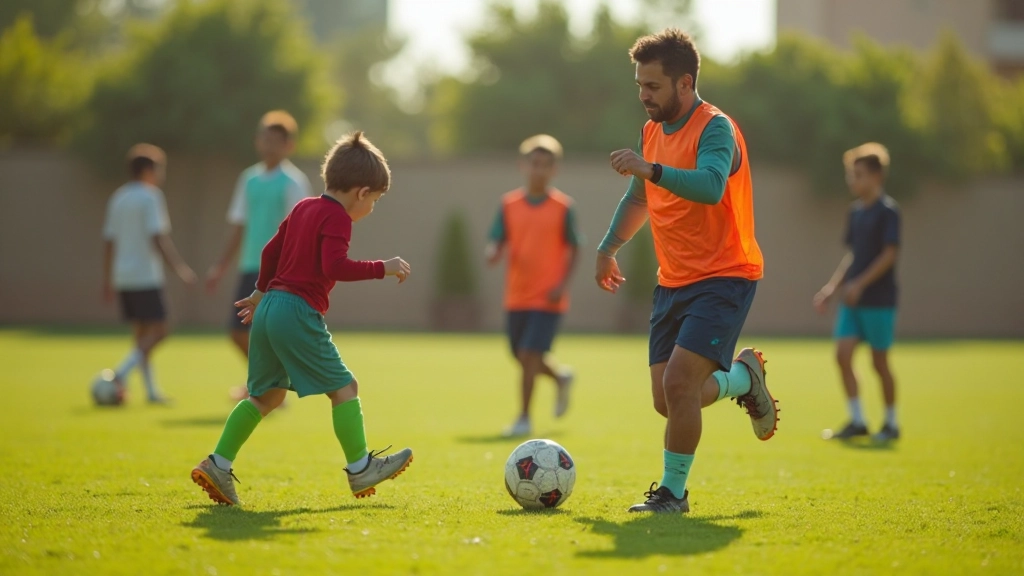
Technical foundation encompasses ball control, passing accuracy, receiving techniques, and dribbling proficiency. These fundamental elements require repetitive practice within varied contexts to develop automaticity. Young players benefit from deliberate practice frameworks that emphasize quality execution over repetition volume.
First touch development and close control form the foundation of technical excellence. Young players should practice receiving the ball from various angles and heights, progressively introducing pressure and game-realistic scenarios.
Developing precise passing under pressure requires progressive difficulty increases. Players learn short-range accuracy first, gradually extending to medium and long-distance distribution while maintaining technical consistency.
Intelligent positioning and off-ball movement develop through deliberate coaching emphasis. Players learn spacing principles, timing of runs, and positional awareness through structured drills emphasizing decision-making alongside execution.
Effective technical development avoids excessive complexity during foundational stages. Simple, repetitive drills with clear progressions allow young players to build confidence and competence. Introduction of game-realistic pressure and decision-making elements occurs gradually as technical consistency improves.
This content provides educational information regarding youth soccer development approaches and training methodologies. The information presented represents general concepts and frameworks discussed within sports development literature and coaching practice.
Individual player development varies significantly based on age, maturation status, prior experience, and personal circumstances. Coaching decisions should be adapted to specific player populations and organizational contexts. Qualified coaches and sports medicine professionals should be consulted for program implementation and individual player assessment.
Physical conditioning for youth players must align with biological maturation and skeletal development stages. Pre-adolescent players (ages 6-11) benefit primarily from varied movement experiences, coordination development, and general fitness activities rather than sport-specific conditioning.
Early adolescence (ages 12-14) introduces progressive conditioning elements, including improved aerobic capacity work and introduction to resistance concepts. However, structured strength training remains inappropriate during these years; instead, bodyweight exercises and resistance activities using gravity serve developmental purposes.
Mid-to-late adolescence (ages 15-18) permits more structured conditioning programming, including progressive resistance training, advanced aerobic/anaerobic work, and sport-specific power development. Individual variation in maturation remains significant, requiring personalized progression rather than age-based standardization.
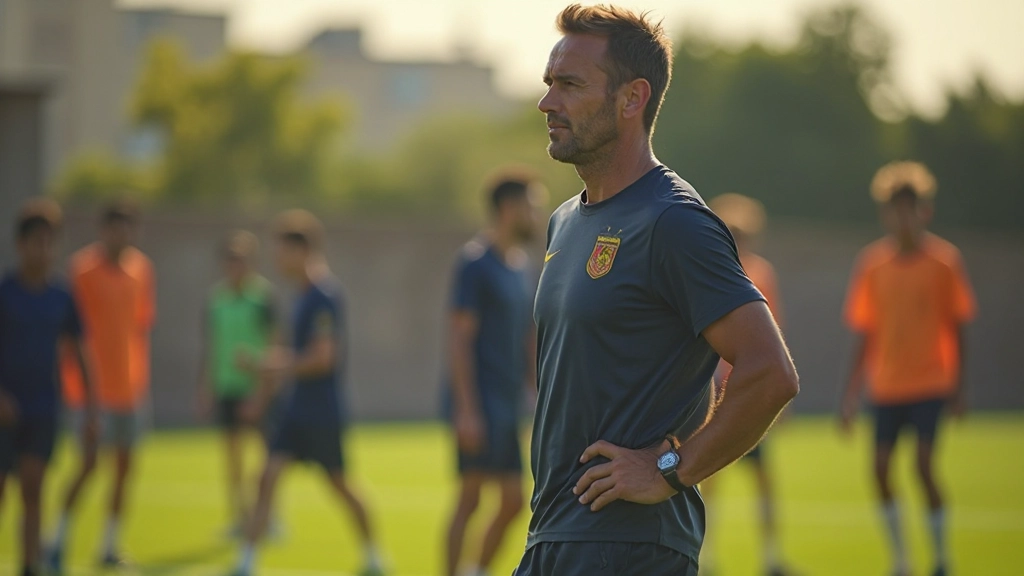
Tactical understanding develops through repeated exposure to game situations combined with explicit coaching emphasis on decision-making processes. Rather than dictating specific movements, effective coaching encourages players to develop pattern recognition and situational awareness through guided discovery.
Young players benefit from small-sided games that reduce player numbers and increase ball touches per individual. These modified formats enhance decision-making frequency and create environments where tactical principles become evident through play experience. Progressively introducing complexity—additional constraints, modified rules, or specific objectives—develops adaptive tactical thinking.
Video analysis and post-activity reflection enhance tactical learning when age-appropriately implemented. Young players learn to recognize patterns, evaluate decision quality, and understand consequences of tactical choices through structured observation and discussion. This cognitive engagement complements practical experience with explicit understanding development.
Players develop pattern recognition through repeated exposure to similar game situations, gradually identifying consistent principles.
Conscious application of recognized patterns in modified game scenarios builds decision-making competence through guided practice.
Repeated application under pressure conditions develops automatic tactical responses, freeing cognitive resources for advanced problem-solving.
Environmental factors significantly influence development outcomes. Coaches establishing psychologically safe, enjoyment-centered training environments facilitate deeper learning and sustained engagement compared to competitive pressure-focused approaches. Young players develop greater technical proficiency, improved decision-making, and enhanced motivation within supportive coaching relationships.
Feedback quality substantially impacts learning effectiveness. Rather than immediate corrective feedback on every action, skilled coaches provide strategic feedback targeting fundamental principles and major technical/tactical errors. This approach prevents cognitive overload while maintaining focus on meaningful improvement areas.
Long-term player development requires consistent, progressive programming across multiple years. Programs lacking continuity or experiencing frequent coaching changes demonstrate reduced development trajectory compared to stable environments with coherent progression frameworks. Multi-year planning establishes clear developmental pathways and ensures systematic skill building.
Parental engagement and understanding of development philosophy influence family support for youth participation. Educating parents regarding realistic developmental timelines, age-appropriate expectations, and the value of multi-sport participation during formative years creates aligned expectations and supportive home environments enhancing overall development.
Learn fundamental tactical principles for improving player positioning, spatial awareness, and team organization through structured positioning frameworks.
Read Article
Explore evidence-based conditioning methodologies designed to develop cardiovascular capacity, muscular endurance, and sport-specific energy systems.
Read Article
Understand modern approaches to analyzing player performance through video review, identifying technical patterns, and providing evidence-based coaching feedback.
Read Article